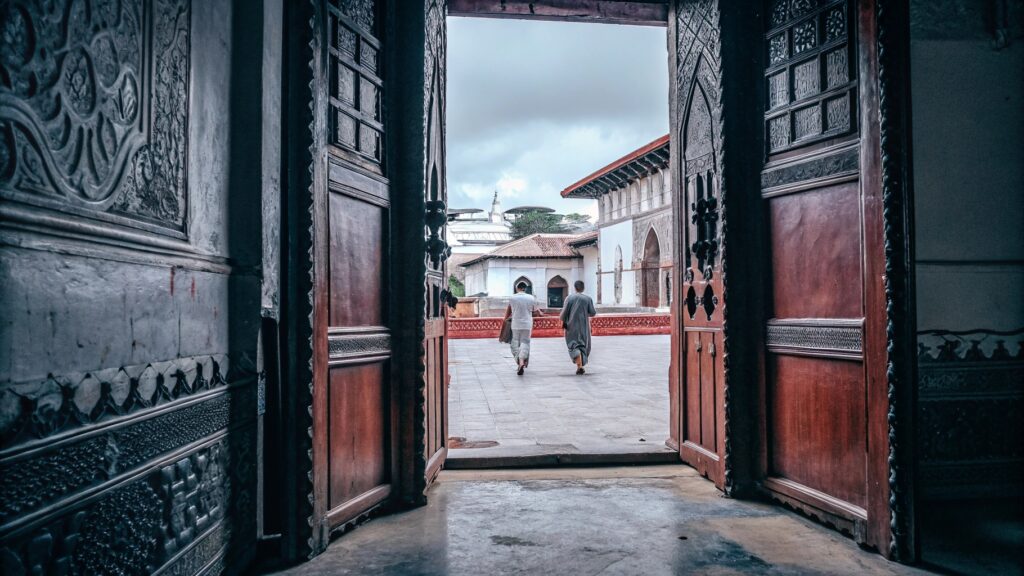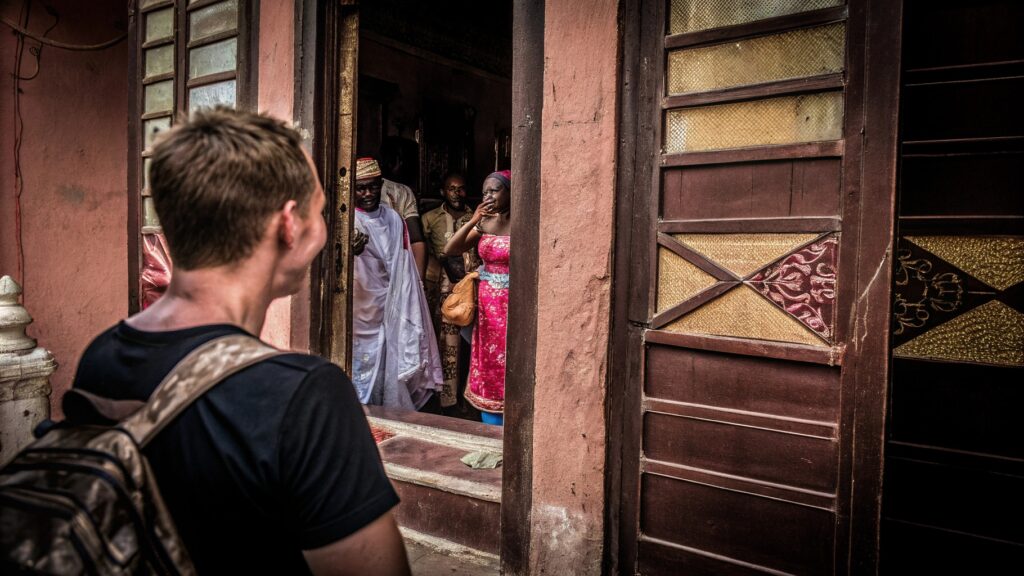
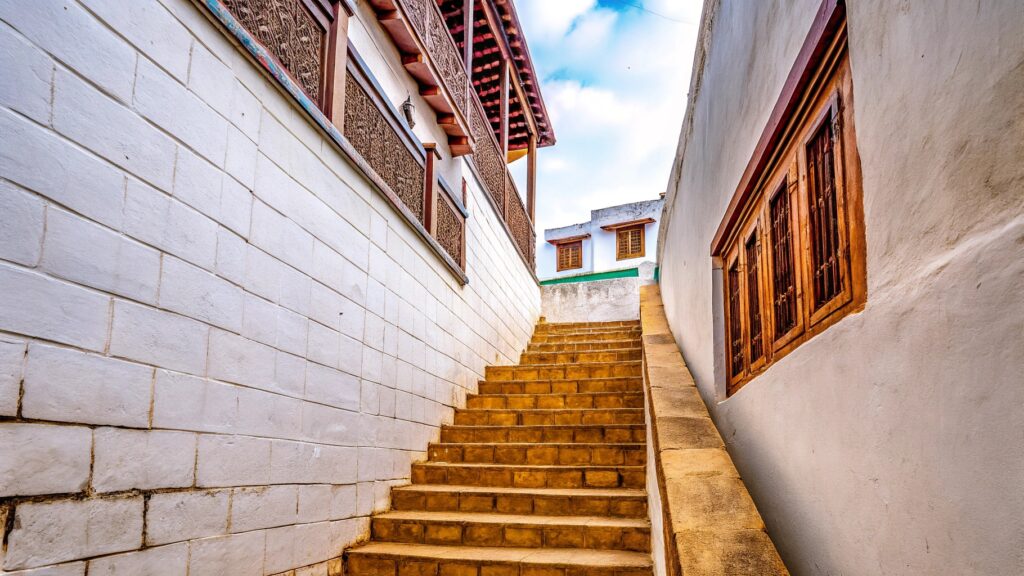
Stone Town’s narrow alleys, carved doors, and coral stone buildings are full of charm and history. Among its many curiosities, the Stone Town architecture mystery stands out—why do some buildings have stairs that lead to nowhere or windows that face blank walls? Understanding this mystery reveals layers of cultural, historical, and practical reasons behind Stone Town’s unique urban fabric.
At first glance, these architectural quirks seem like random design choices. But they reflect a deeper story about Stone Town’s unique building culture, social dynamics, and spiritual beliefs.
So, what’s behind this Stone Town architecture mystery?
🏛️ How Confusing Architecture Emerged in Stone Town
Over the centuries, families built Stone Town homes without a formal urban plan. As families grew, they added rooms and floors wherever space allowed—even if it meant building awkwardly.
Due to limited space and close neighbors, builders made creative decisions like:
- Adding stairs for future expansions
- Placing windows to ventilate narrow courtyards
- Blocking doorways during family disputes or inheritance changes
These features weren’t mistakes. They solved real-life problems in a growing, unregulated town.
🧱 Why Some Stairs in Stone Town Lead to Nowhere
One of the most fascinating mysteries in Stone Town is the staircase that leads to nothing. But there are several logical reasons:
- Families planned to build extra floors but never completed them
- Rooftop areas became unsafe or off-limits
- Staircases offered private access for women in traditional households
- Balconies or walkways once existed but later collapsed or were removed
In each case, people built with future changes in mind—but life didn’t always follow the plan.
🪟 Understanding Windows Facing Blank Walls in Stone Town
You’d expect windows to offer sea views, but many simply face blank walls. Again, there’s a reason.
Builders placed windows to:
- Let in air and light—not necessarily a view
- Maintain privacy, especially for women
- Work around later construction that blocked original openings
- Follow social or spiritual traditions
In some instances, neighbors even built new homes specifically to block a view, either due to disputes or religious modesty.
🧭 How Stone Town’s Urban Growth Created Architectural Oddities
Unlike cities built from blueprints, Stone Town expanded organically. Families expanded houses sideways or upward, often by trial and error.
As a result:
- Streets narrowed
- Shared walls blurred property lines
- Some structures became sealed or inaccessible over time
This architectural layering is what gives Stone Town its maze-like charm.
🌿 Spiritual Beliefs Behind Stone Town’s Architectural Mysteries
Architecture in Stone Town doesn’t follow only practicality—it also reflects local beliefs.
In Swahili and Islamic traditions:
- Fake doors and stairs confused jinn (spirit beings)
- Blind windows helped protect homes from the evil eye
- Sealed passageways marked spiritual boundaries or resolved bad omens
So, what looks strange may carry deep symbolic meaning.
🧠 Stone Town Architecture Mystery: Not Mistakes but Stories
It’s easy to assume these quirks are mistakes. But they aren’t. Generations of Zanzibaris made practical, spiritual, and personal choices as they built and adapted their homes.
What we see today is a puzzle built over time—with pieces added, removed, and rearranged.
🧳 Exploring Stone Town’s Architecture Mystery with a Local Guide
Yes! If you love history and hidden stories, Stone Town’s “impossible” architecture offers fascinating clues. Join a local guide, who can explain the meaning behind odd staircases, closed archways, or blocked windows.
With the right perspective, every “mistake” becomes a meaningful feature.
🕌 Why the Stone Town Architecture Mystery Matters for Visitors
So, why do some buildings in Stone Town have stairs that lead to nowhere or windows facing blank walls?
Because people adapted. They responded to changing family needs, tight urban space, spiritual beliefs, and evolving customs.
Every odd window or staircase offers a glimpse into a living history that still echoes through Stone Town’s narrow streets.