Are There Still Sufi Brotherhoods in Stone Town, Zanzibar?
Stone Town, the historic heart of Zanzibar City, whispers stories of trade, tradition, and spirituality. One question often asked by curious travelers, scholars, and culture seekers is: Are there still Sufi brotherhoods in Stone Town? The answer is both fascinating and quietly profound.
🕌 The Spiritual Roots of Sufi Brotherhoods in Stone Town
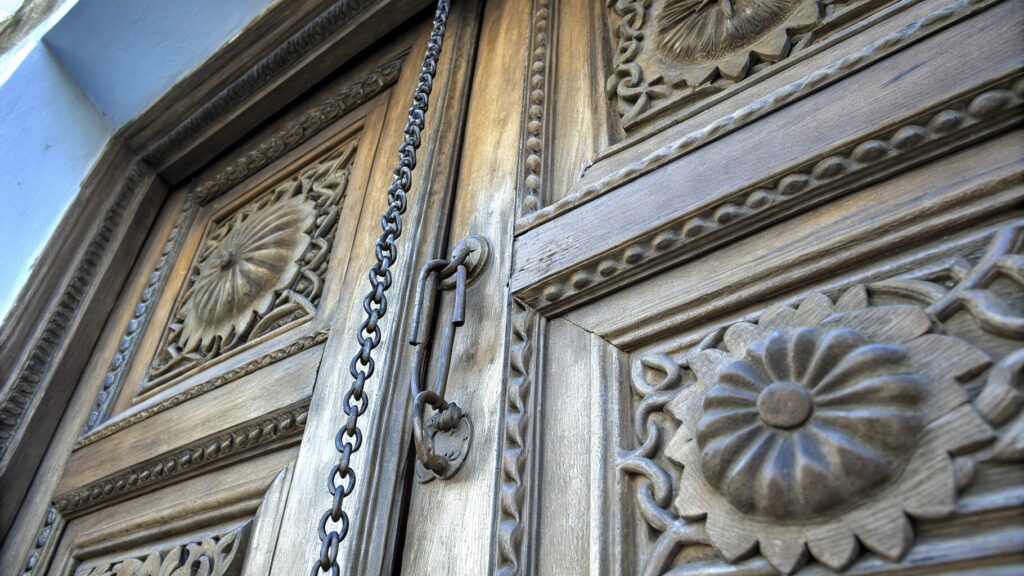
Zanzibar’s spiritual fabric has long intertwined with Islamic mysticism, especially Sufism. Historically, Arab and Persian traders introduced Sufi practices as early as the 11th century. Over time, these teachings deeply shaped the island’s religious identity. Within the coral-stone mosques and maze-like alleyways, Sufi brotherhoods—locally called Tariqas—thrived. They passed their knowledge orally and spiritually from master to student.
🌙 What Are Sufi Brotherhoods and How They Grew in Zanzibar
Sufi brotherhoods are spiritual communities that follow the mystical path of Islam. They emphasize love, divine presence, personal purification, and spiritual discipline. In Stone Town, several important Sufi orders emerged over the centuries, including:
- Qadiriyya
- Shadhiliyya
- Rifa’iyya
- Alawiyya
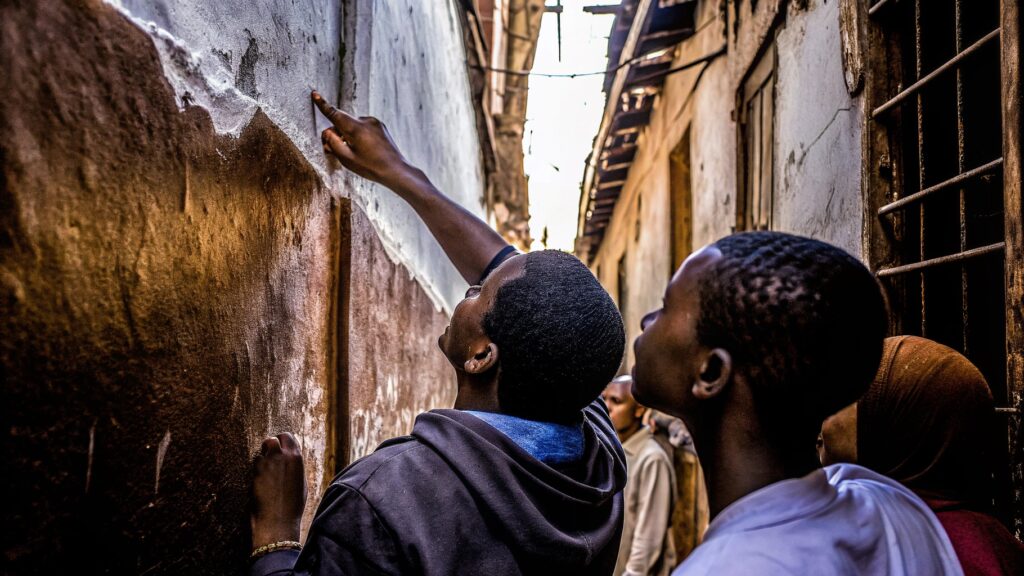
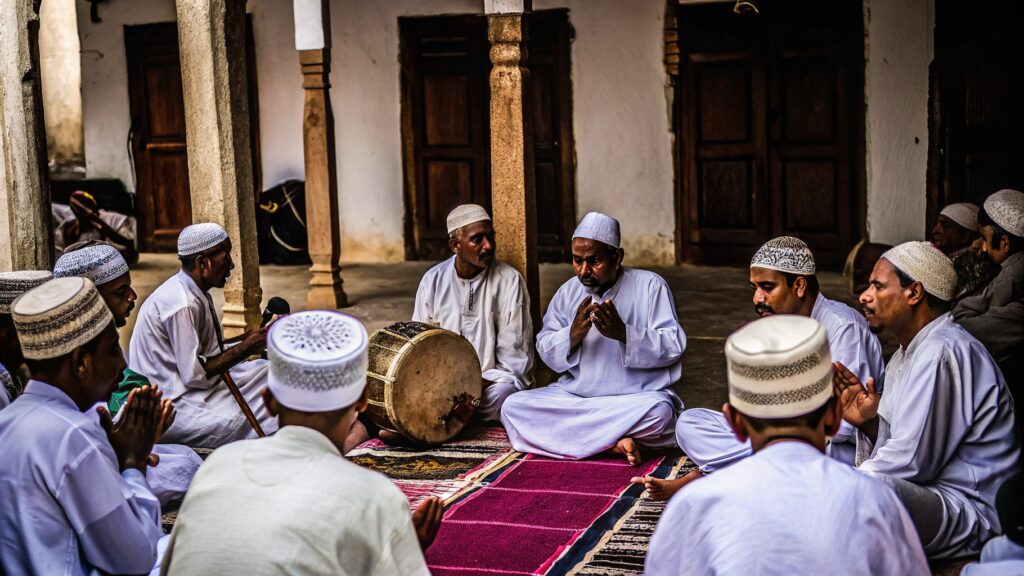
Each group had its own spiritual focus and practices. Typically, these groups held communal dhikr (remembrance) gatherings, nighttime chants, and sometimes trance-like dances. Most often, these rituals took place in private homes or discreet mosques—intentionally hidden from tourists and passersby.
🔍 Are Sufi Brotherhoods in Stone Town Still Active?
Yes, they are—although in more subtle ways than before. Today, the Sufi brotherhoods in Stone Town continue to exist, but they operate more quietly. In fact, many of their activities take place behind closed doors, away from the bustling tourism scene.
For example:
- Local mosques, such as the Malindi Mosque, still host discreet Sufi gatherings.
- Spiritual elders continue passing down oral teachings to loyal disciples.
- During sacred Islamic months like Rajab and Mawlid, you can still find dhikr nights that attract members of the local community.
🧕 Why Sufi Brotherhoods in Zanzibar Remain Hidden
There are several key reasons why the brotherhoods have become less visible.
First, religious tensions in the modern Islamic world have led to misunderstandings about Sufi practices. As a result, some groups prefer to stay out of public view.
Second, tourism has grown rapidly in Zanzibar. Many sacred spaces now avoid public exposure to preserve spiritual authenticity.
Finally, Sufi brotherhoods traditionally value discretion. Spiritual knowledge often stays within a tight inner circle and passes from mentor to student only when trust is fully established.
👣 Can You Witness Mystical Sufi Practices in Stone Town?
Experiencing an authentic Sufi ritual in Stone Town is rare—but not impossible. To do so, you’ll need more than just curiosity.
To begin with, you’ll need a trusted local guide who understands the community and its boundaries. Additionally, you must approach with genuine respect, treating rituals as sacred rather than entertainment.
Some travelers—especially during Ramadan or important holidays—have received private invitations to dhikr ceremonies. However, such invitations usually come through deep cultural respect and patience, not casual inquiry.
🧭 Legacy of Sufi Brotherhoods in Stone Town Today
Even if you don’t attend a ritual, you can still feel the impact of Sufi brotherhoods in Stone Town all around.
For instance:
- Swahili poetry and devotional music reflect deep Sufi themes.
- Prayer spaces and old mosques often include layouts specifically designed for dhikr gatherings.
- Locals still visit graves of saints and spiritual leaders, leaving quiet offerings and prayers.
These subtle signs reveal that Sufism hasn’t vanished—it simply evolved. It now lives on through whispers, gestures, and traditions that remain invisible to the untrained eye.
🕯️ Conclusion: The Silent Pulse of Sufi Brotherhoods in Stone Town
So, are there still Sufi brotherhoods in Stone Town, Zanzibar? Absolutely—though they are no longer front and center. They survive through devotion, secrecy, and centuries-old spiritual networks. If you take the time to listen to the rhythm of the streets, you may hear their legacy in the chants, footfalls, and echoes of ancient alleyways.
Their silence speaks volumes. And through that silence, Stone Town’s mystical soul still breathes.